In today’s fast-paced urban environments, the concept of biophilic design has emerged as a vital response to our innate need for connection with the natural world. It is not merely an aesthetic choice; it is a science-backed approach that enhances human psychology, health, and productivity through the built environment.
Here are five fundamental biophilic strategies to integrate into modern architectural projects:
1. Natural Light and Airflow
Maximizing daylight within a space supports our circadian rhythms. Large apertures, internal courtyards, and natural ventilation systems ensure that occupants remain connected to the outdoor environment throughout the day.
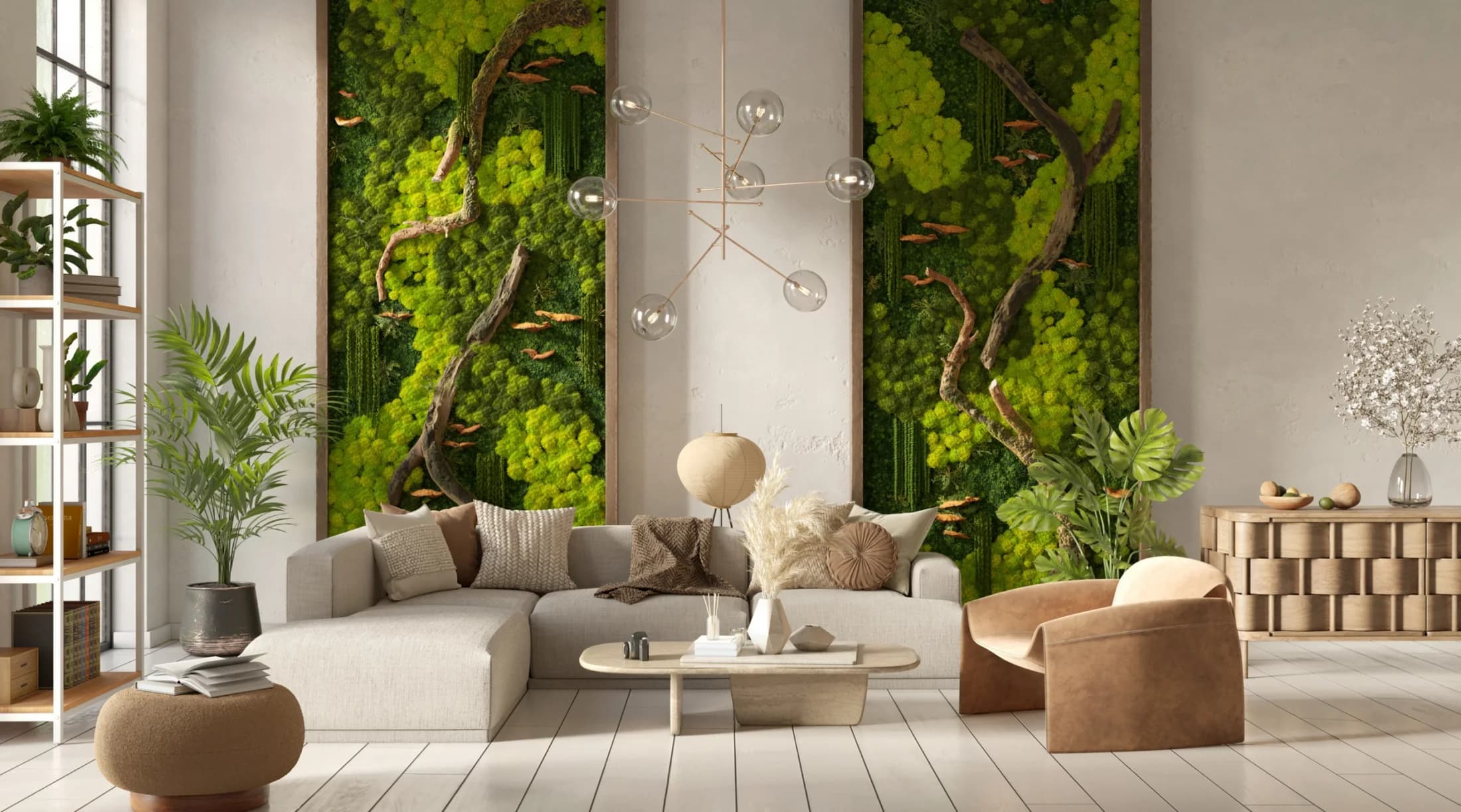
2. Living Greenery and Vertical Gardens
Plants do more than just decorate; they purify the air, reduce ambient noise, and provide visual tranquility. In space-constrained urban projects, vertical gardens offer an organic texture that allows the structure to "breathe."
3. Natural Materials and Textures
The use of stone, wood, marble, and bamboo engages our sense of touch and breaks the "coldness" of industrial spaces. Utilizing these materials in their raw or organic state brings a sense of authenticity and calm to the interior.
4. Water Features and Acoustic Comfort
The sound and sight of water create a natural focal point. Small water walls or indoor ponds help regulate humidity while providing an auditory sanctuary from urban noise.
5. Biomorphic Forms and Patterns
Nature rarely moves in straight lines. Incorporating fractal patterns, curved forms, and organic structures into architectural designs helps the human brain relax, mimicking the complexity of a natural landscape.
Conclusion
Biophilic design is about viewing a building not just as a shell, but as a living part of an ecosystem. The future of architecture lies in projects that invite nature in, rather than shutting it out.